#call center Startups & Tools
Discover the best call center startups, tools, and products on SellWithBoost.
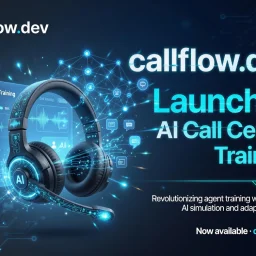
Training new call center agents has historically been one of the most painful bottlenecks in customer service operations. Faced with high turnover, lengthy onboarding periods, and real damage to customer satisfaction metrics, supervisors and training managers have long needed a way to prepare agents safely before they ever touch a live call. Call Flow addresses this fundamental gap. The product is built on a founding insight grounded in eight years of hands-on call center experience. The platform creates a simulated environment where agents can practice realistic scenarios with AI-powered counterparts before facing actual customers, moving beyond script-based training alone. This addresses a critical training blind spot: most programs lack any mechanism for agents to safely fail and learn from mistakes. The founder's frustration watching talented people crumble under the pressure of their first difficult call resonates with the core pain point that the product solves. What distinguishes Call Flow is its focus on the psychological and conversational dimensions of call center work, not just product knowledge. The platform evaluates agents across empathy, clarity, objection handling, de-escalation, and compliance—dimensions that are difficult to assess in traditional training programs but critical to customer retention and reputation. This suggests the platform understands that customer service failures often stem from how something is communicated, not just what is communicated. The product also addresses the supervisor's pain in the current system. Rather than spending hours reviewing recordings after calls have already damaged relationships, managers gain visibility into agent readiness before it matters. Custom scenario building means training can be tailored to specific product lines, customer segments, or known pain points rather than relying on generic curricula. This directly bridges the gap between simulation and operational reality. The founding motivation reveals a clear market opportunity: the call center industry continues to operate training methods that lag behind other high-stakes professions. Pilots train in simulators. Surgeons practice on virtual patients. Yet the role that often determines customer lifetime value—the frontline agent—has historically remained immune to this kind of realistic, safe practice environment. Call Flow fills that void by bringing simulation-based training to an industry where the cost of learning on the job has long been accepted as inevitable.