Xtra Hands Family Chore App
Household chore management remains one of parenting's persistent friction points, and Xtra Hands positions itself as the...

Catalyst Healthspan Audit
Personal trainers typically sell training sessions. This startup reversed the equation by building assessment first, mak...
Best Terminals Startups & Tools
Modern terminal emulators and AI copilots for CLI, SSH, and automation.
Recently Listed
1 launches
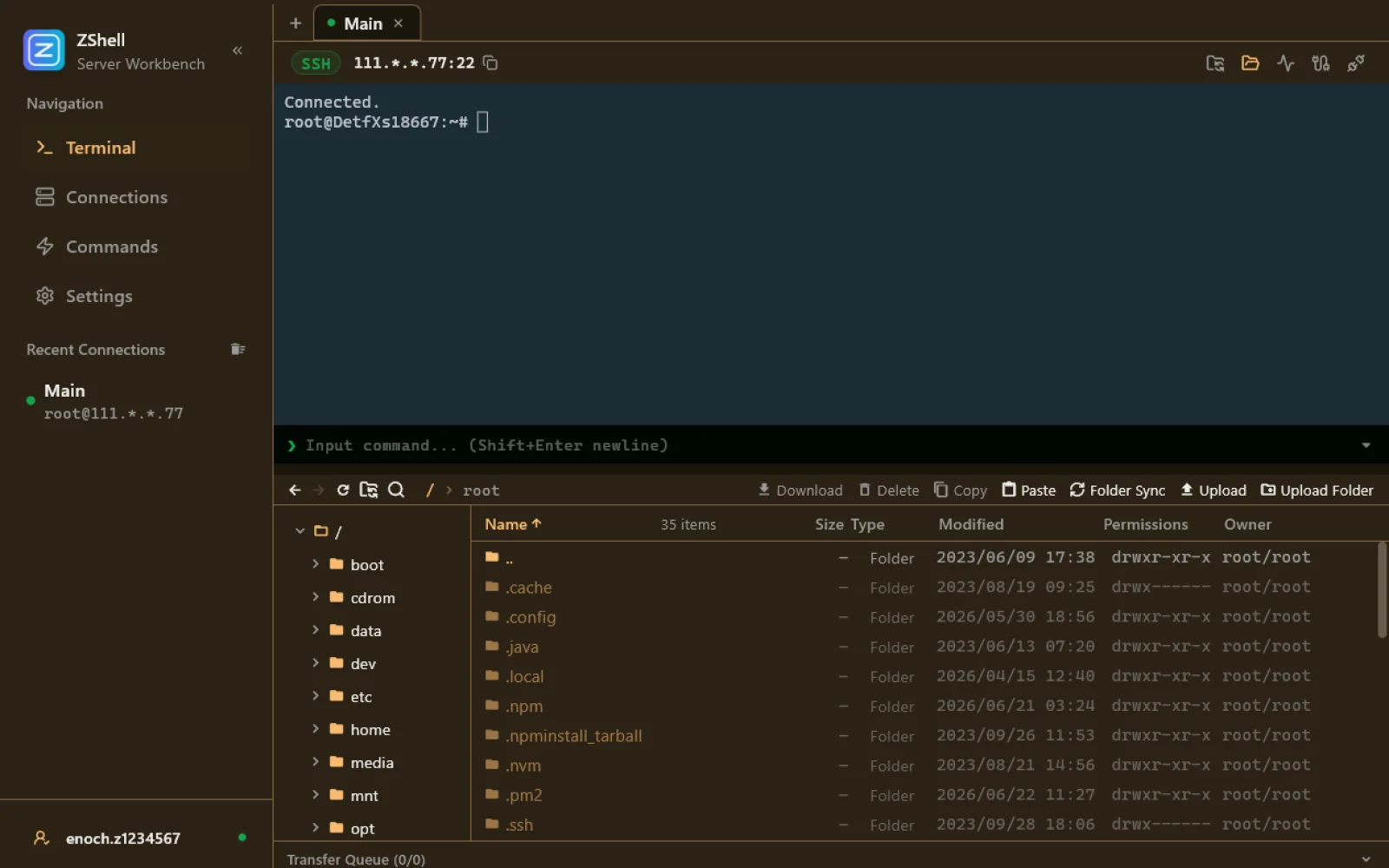
Integrating AI agents into server management workflows presents a security and usability challenge that few tools address directly. This SSH terminal fills that gap by building MCP server capabilities directly into the application, allowing developers to grant Claude, Cursor, or other AI agents controlled access to their infrastructure without exposing credentials or adopting complex custom solutions. The core insight is elegant: instead of piecing together separate SSH clients, file managers, and monitoring dashboards, this application consolidates these functions while adding a local MCP server that exposes server operations as callable tools to AI agents. An agent can execute shell commands, read and write files over SFTP, and retrieve live snapshots of CPU, memory, disk usage, and running processes. The design keeps the user in control by running this MCP server locally inside the app rather than routing through cloud intermediaries, addressing a legitimate concern for teams working with sensitive infrastructure. The terminal itself includes practical features like multiple tabs, command history with fuzzy search, support for ProxyJump multi-hop SSH chains, and process management tools for killing or pausing remote processes. A library of 68 built-in commands across nine languages provides quick access to common operations. The interface supports curated color themes alongside custom palettes, and session state persists across application restarts. Security is treated as a first-class concern. The application implements end-to-end encryption for sensitive data, uses Ed25519 verification for updates, and relies on SSH key authentication rather than passwords. These choices suggest the authors understand the threat model for a tool designed to interface with AI agents and production servers. The business model splits functionality between a free tier and a Pro version. The core SSH terminal, SFTP manager, and local MCP server are available without payment. Cloud synchronization of hosts, keys, and command history across devices requires a Pro subscription, as does multi-device pairing with secure codes. This separation makes the essential AI agent integration features accessible to everyone while monetizing convenience features for larger teams. The product targets a specific emerging use case: developers who have adopted AI agents for coding or infrastructure tasks but lacked a safe, integrated way to extend those agents onto remote systems. By handling the infrastructure side cleanly, it removes a technical hurdle that currently forces teams to choose between manual server management or homegrown scripting solutions.